
Wildlife
Borneo, lying astride the equator with a natural habitat of tropical rainforest is one of the richest areas of the world for flora and fauna. There are dozens of books about its wildlife and scope no doubt for dozens more. Even if you want to, you couldn't even scratch the surface in describing what one may encounter on this island. So this section is not intended for the wildlife enthusiast or the hardened expatriate, with years of experience of various plagues of frogs and invasions of insects, but for those new to the tropics and its abundance of creatures and who might feel put out at having to share their space with hordes of wee beasties.
Insects
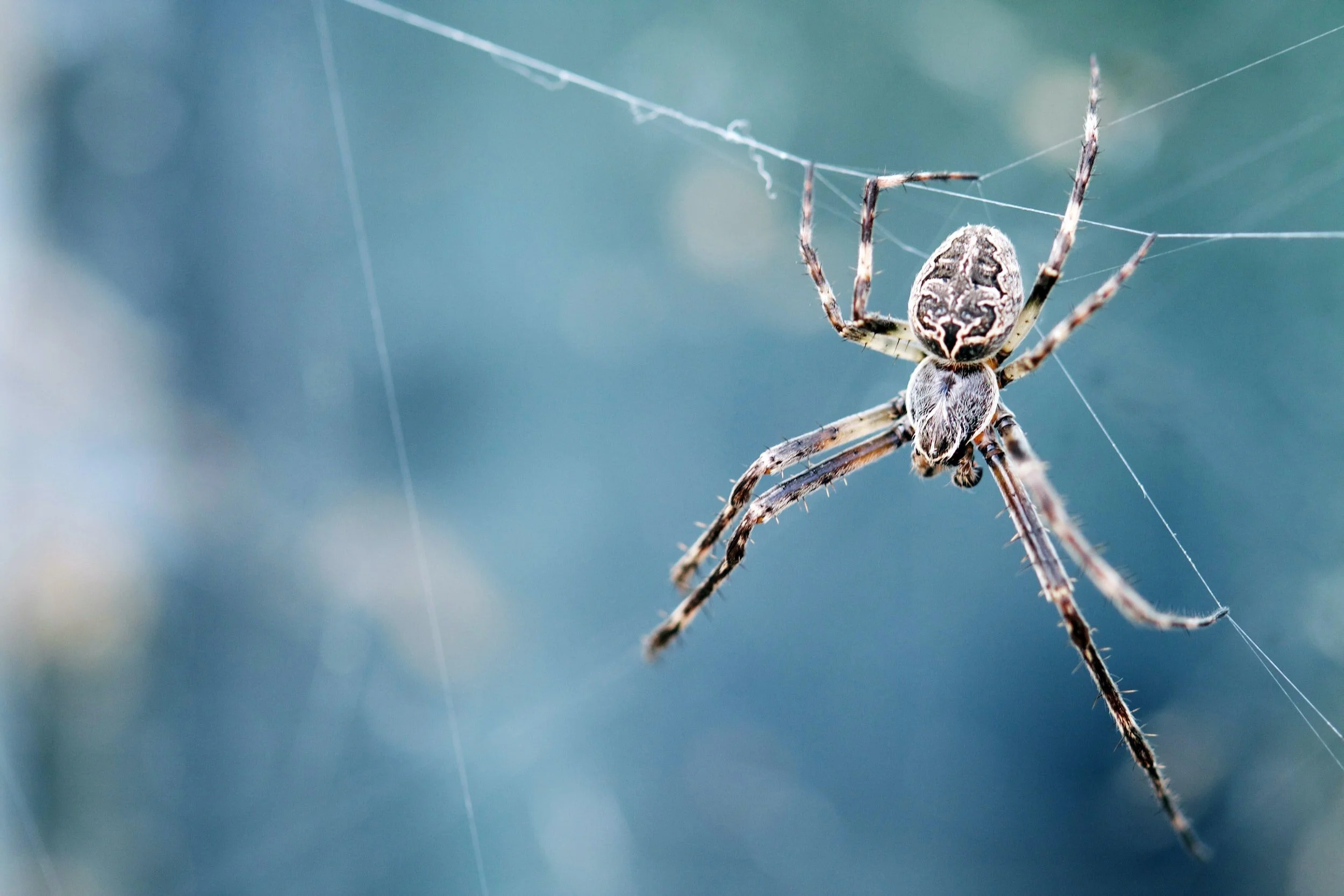
Spiders. All spiders are venomous, but very few have mouthparts that are tough enough to penetrate human skin. There aren’t any spiders here that can kill a human, but there are some that could give a nasty bite if you tried to handle them. As with anything that bites or stings, the only real causes for concern are if a person produces an allergic response or if the victim is a small child. In most cases simple first aid will suffice. The commonest household spider is the Huntsman; it is pale brown in colour and the female is easily identified by the large, circular egg case which it carries slung beneath its body. It doesn't build a web but hunts its prey. It can grow quite large, up to about 4" across and is useful in keeping down household populations of cockroaches. You will almost certainly come across these spiders and they may bite, though this is rare. Other large spiders are not particularly common. Web-building spiders are to be found outdoors, and are usually inaccessible.
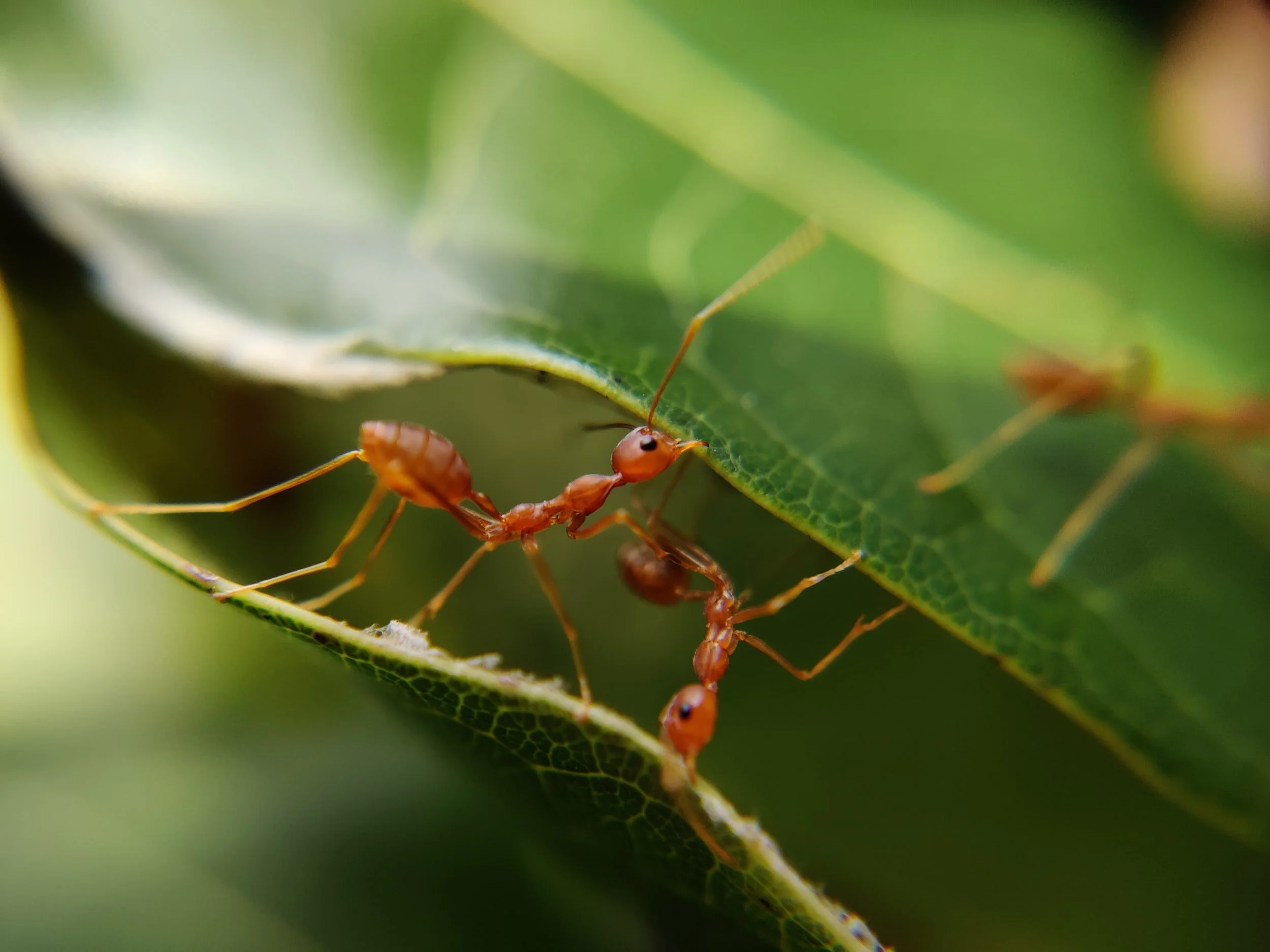
Ants. By far the commonest insects seen in Brunei are ants. There are many different species, they are present in all houses and it would cost a small fortune in insecticide to keep them at bay. None cause any harm, though there are some that give sharp bites especially the Weaver ant which is to be found outdoors only. It builds its nest from living leaves in bushes and trees and defends its territory viciously. A useful method of keeping ants from cupboards and tables is to stand the legs of the cupboard/table in dishes of water. It is also possible to buy paper impregnated with insecticide to line the shelves of cupboards. Air tight plastic containers for food storage are also very useful to help curb the impact of the inevitable local ant population.
Termites. Termites make periodic invasions into our homes but create no problems other than the eventual destruction of untreated wooden articles. Biting termites are restricted to the nests and only a hazard if you fall in/onto a nest. Jungle termite nests tend to be pits rather than hills and can be a nightmare to get out of especially the well-established ones. This is a known but relatively rare deep jungle hazard.
Cockroaches. Cockroaches are extremely common and can grow to quite large sizes. They are scavengers and eat almost anything. The easiest way to keep them down is to be quite scrupulously clean in the kitchen and occasionally spray around nooks and crannies where they are likely to hide. Additionally a lump of wire wool (or a wire wool like pan scrubber) under a drain cover will stop them coming up from below.
Bees, Wasps and Hornets. Bees, wasps and hornets are often to be found in the home, although they are much more common in the jungle. Some do not possess stings; others can deliver enough poison to make one quite ill indeed. Treat them like you would wasps and bees back home, i.e. don't anger them and you should be OK.
Insect Stings. It is impossible to be specific about insect stings; some are initially very fierce, yet the effects very short lived, while the sting from a large wasp may be nothing much initially, but could make one feel feverish an hour or so later. Treatment by home first aid with soothing creams is usually sufficient, but in rare instances where individuals show allergic responses to the venom they should be taken to hospital.
Mosquitoes. Other ‘nuisance’ insects include mosquitoes. Mosquitoes are very common and everyone takes measures to keep them out of the house. Screens may be put up at doors or windows, mats may be electrically heated to produce a vapour that kills them or chemical coils lit to drive them away. None of these methods are totally successful and everyone will experience bites. Most people however seem to react less and less to bites the longer they stay here. The population of mosquitoes in the immediate vicinity of your house can be kept down by making sure there is no standing water for them to breed in. They need very little and even an eggcup of water would do.
Sandflies. Sand flies are found at beaches, especially where there is a lot of rotting wood, as this is where they nest. They are extremely small and difficult to see yet their bite may sometimes irritate for a fortnight. One should always use repellent at the beach and possibly also light a fire or coils if having a barbecue. Ordinary repellent seems to be of limited effect, though some have found a layer of repellent allowed to dry and covered with sun tan oil (not lotion) can be effective.
Centipedes and Scorpions. There are a couple of other nasty invertebrates to mention; the centipede and the scorpion. Neither is particularly common, but they like to nest under logs or stones or in piles in vegetation. The centipede should not be confused with millipedes, which are quite harmless; centipedes have one pair of legs to each body segment, move quickly and sinuously and can bite. Scorpions have a sting in their tail and may sting rather like a wasp. They are much less potent than the large African Scorpion and their sting, though painful, is not lethal.
Millipedes. Millipedes have two or three pairs of legs to each body segment, move more slowly, almost regally, and cannot bite.
Caterpillars. There are many species of caterpillars on Borneo. One that can cause quite a sting is the Stinging Nettle Slug Caterpillar. It has spiny hairs that release an irritant on contact, causing a burning sensation and numbness.
Other Insects. There are many other insects that will invade your space, yet are quite harmless: moths and butterflies may reach 10" across, stick insects up to 12" are not uncommon, neither are very large beetles, and cicadas may have a 4" by 1½" body and 8" wings and fly around your living room at speed, stupid but harmless.
Snakes
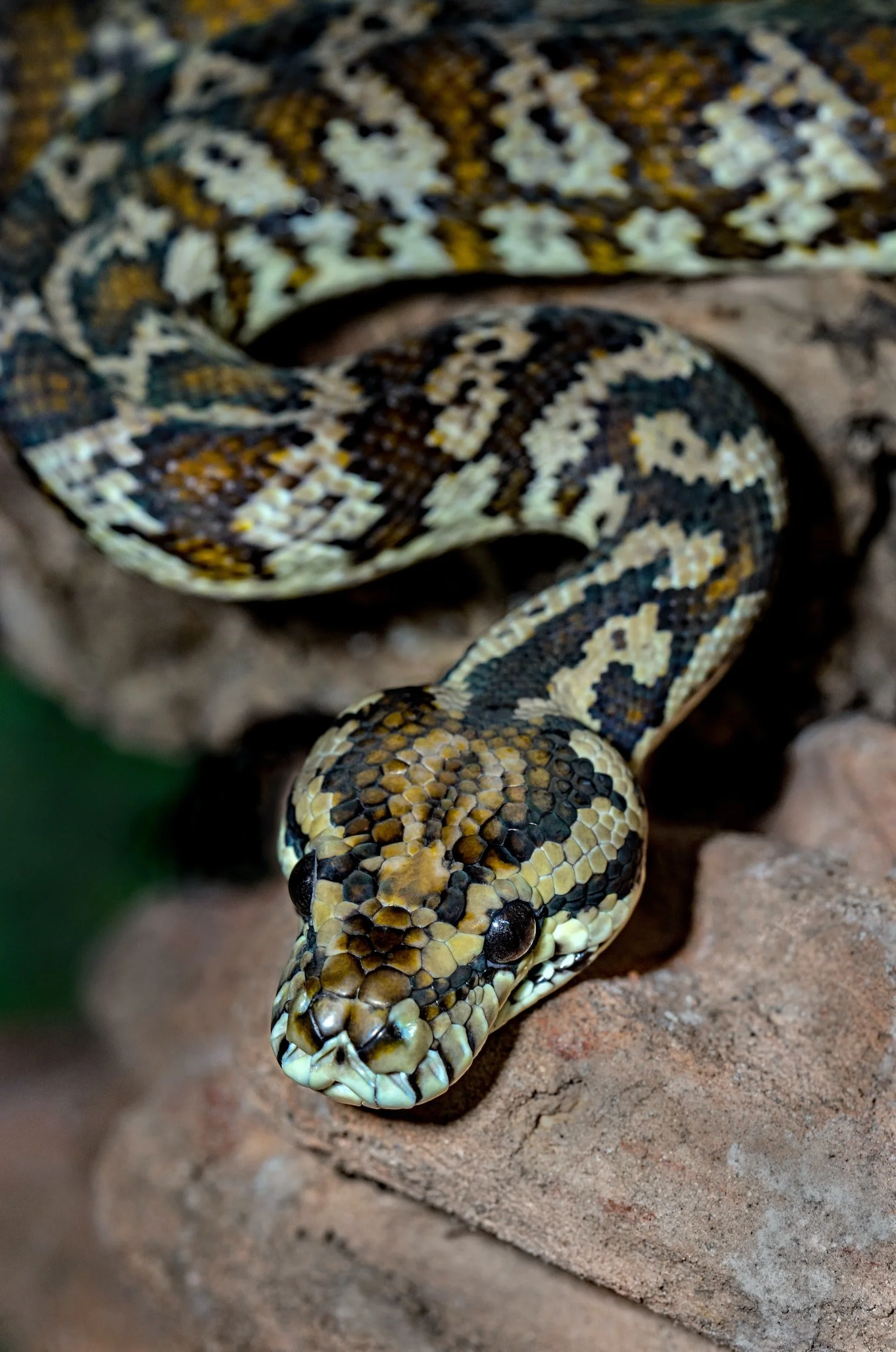
Newcomers to the tropics are usually most keen to know about snakes, which are relatively common here. Snakes are abundant in Borneo and Brunei although encounters are rare; however, it is likely that you will see a snake at some point during your time in Brunei. The vast majority of snakes are afraid of large creatures such as man and will have retreated to a safe spot, having felt the vibrations of your footsteps long before you get close. Should you encounter a snake unexpectedly it is most often going to be harmless, though of course it, if unable to escape, may imitate the striking actions of a venomous snake to fool you.
There are over 80 species of snakes from 9 families in Brunei, 19 of which are venomous. Many of the venomous snakes are not dangerous to people, either because their mouths are too small or because their fangs are set at the back of the mouth. However pit vipers, cobras, kraits, coral snakes and sea snakes, are very dangerous and should be left alone. Their bite is not particularly painful, but death is caused by respiratory failure as muscles become paralysed should sufficient venom be injected.
If bitten by a snake, examination of the wound will indicate if it was venomous or not. If venomous there will be one or two puncture marks, if not there will be a row of teeth marks and no larger puncture marks. Identification of snakes is not particularly difficult though one shouldn't rely on one's own identification unless very experienced.
Types of snake. The main types of snakes are as follows:
Cobras. Cobras when angry are quite distinctive as they spread the skin around their neck to produce a hood. When aroused they are easy to spot but, unfortunately, this is not the case when they are on the ground and at rest.
Kraits. Kraits have either large yellow and black bands or large white and black bands, and there is one species that has a bright red tail.
Coral Snakes. Coral snakes are brown or black with bright red or blue stripes along the length of their body. All snakes found in the sea should be considered venomous.
Vipers. Vipers are usually shorter and ‘stocky’ in relation to their length. They have a broad, triangular head and are usually very sluggish. There are quite a few species and they are often quite brightly coloured.
*If you discover a snake at your house call the Bomba who will catch and dispose of it for you, releasing it into the jungle where possible.
Other reptiles
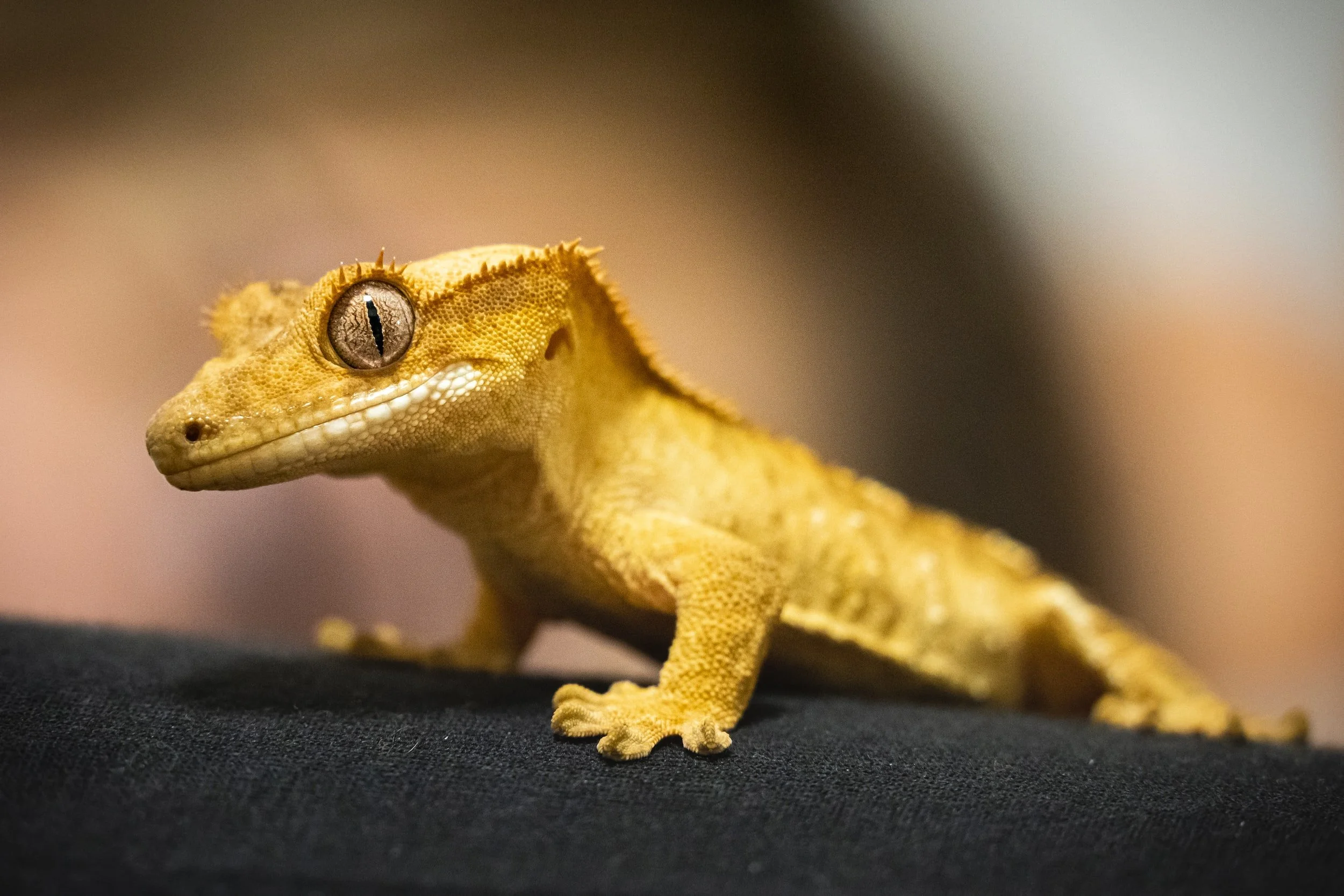
Small lizards. Small lizards are everywhere and harmless, especially the small house lizard or gecko, locally known as cik-cak (Chit Chat) because of the noise they make (their mating call). Every building has them and they do a useful job by eating insects.
Crocodiles. Crocodiles used to be extremely uncommon, but the population is multiplying. However, to see one in the city is a rare occurrence. There have been instances of crocodiles attacking people, and it is best to avoid swimming in estuaries or parts of the sea where estuaries open out since this is where they hunt and live. Salties are by their nature aggressive and if you come across one, particularly if you are in the water then you are likely to be bitten.
Monitor Lizards. Monitor Lizards can grow as large as 5 feet and they can bite, but this is extremely rare. They move slowly and look very similar to Komodo Dragons. They are quite common and can be seen on the edge of the jungle and crossing roads around Berakas Camp and are found everywhere in Muara. They can move remarkably quickly when they wish to, so don’t get too close. If you take a river trip, ask the guide to point out any large lizards since many actually live in the trees and some of them are quite sizeable.
Mammals
Brunei's mammals are generally quite shy and you won't routinely see that many. From monkeys to wild boar and various species of bats, squirrels and porcupines, there’s plenty to look out for.
Macaques. Monkeys are common though, and there are several troupes which wander around both Berakas and Muara Camps. Macaques can cause problems by rummaging through rubbish bins and climbing on phone lines. These monkeys can be very aggressive and are best avoided, certainly by children. Although it is tempting, it is imperative that you don’t feed the macaques.
Langurs. You will also see a few species of langur, in particular the Silvery Lutung or Silver Leaf. They spend a lot of time eating leaves and swinging in the trees, and are unlikely to be found crossing roads on camp. They are beautiful silver monkeys, often seen with tiny bright orange babies, who turn grey after 3 months.
Proboscis Monkey. You won’t see this unique monkey around camp, but they live on the mangrove islands at the mouth of the Brunei River. Endemic to North Borneo, the Proboscis monkey has an unusually large nose and seeing them in the wild can be one of the highpoints of a river cruise.
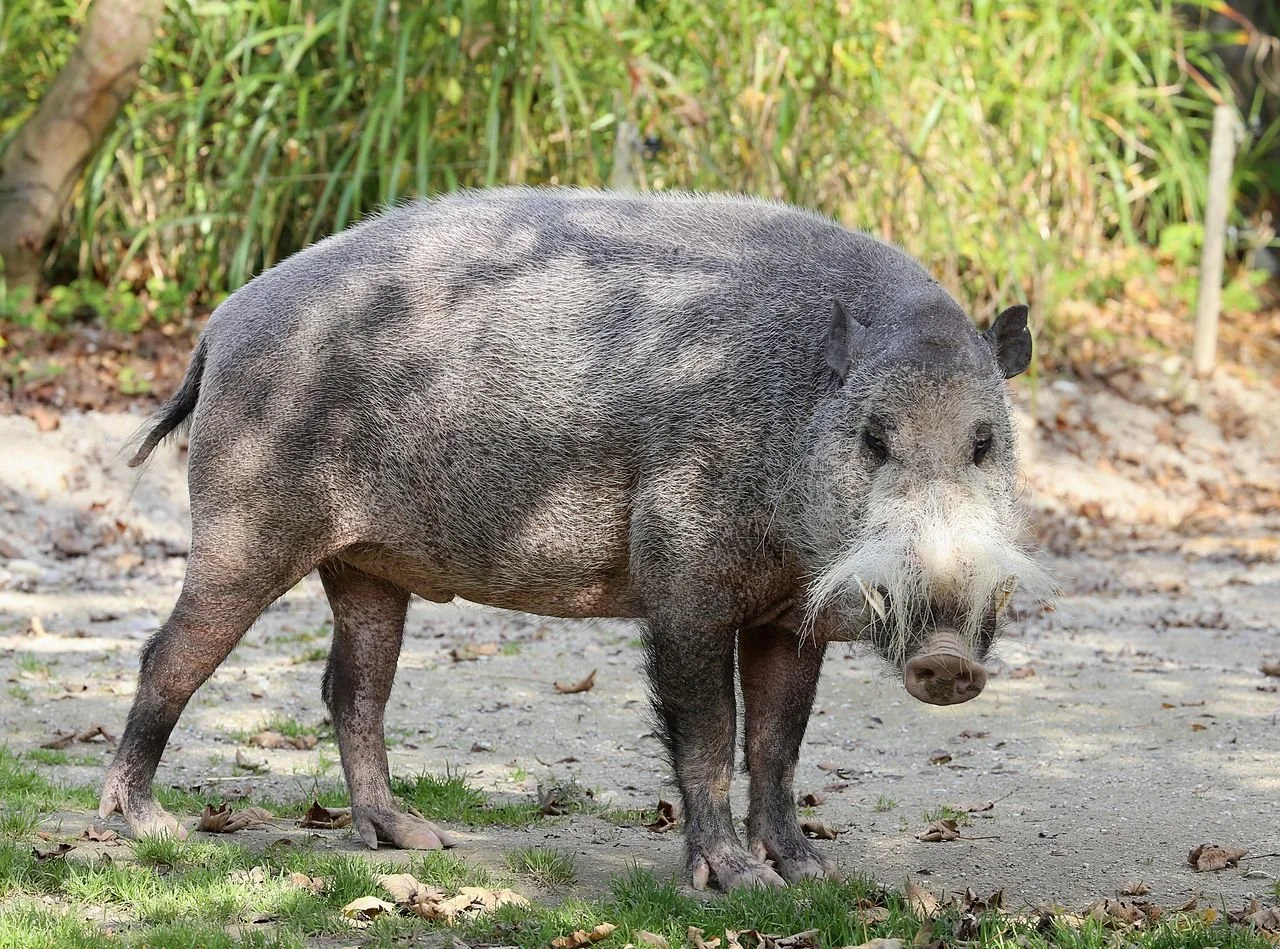
Wild Boar: The Bornean bearded pig, is a species of pig with a prominent beard. They live in the jungle around Berakas Camp. They can be very large, and while not aggressive, they are heavy. You do not want to get charged by one if it gets spooked.
Pangolin: These little creatures are critically endangered as they are of high value to poachers. They live in the jungle around Berakas and have been photographed on camp. World Pangolin Day is celebrated every year in February to highlight the plight of these unique animals.
There are plenty of other mammals to be found in the jungle. Many avoid contact with humans, are nocturnal or can only be found in very precise places. These include Sun Bears, which can be aggressive if cornered, the Slow Loris, a primate which sleeps curled up in trees during the day and the Binturong, otherwise known as the Malaysian Bear Cat!
Amphibians
There are more than 85 species of frogs and toads in Brunei, two thirds of them are endemic to Borneo. More often that not you will hear frog chorus before you ever see them. They live in the storm drains around our houses and sing loudly at certain times of the year. They like to hide in shoes left outside.
Borneo Horned Frog. A forest specialist, this frog has remarkable camouflage; its colour and form mimicking the leaf litter to be found on the forest floor. Unless the frog moves to snatch some unwary prey, it is unlikely to be seen.
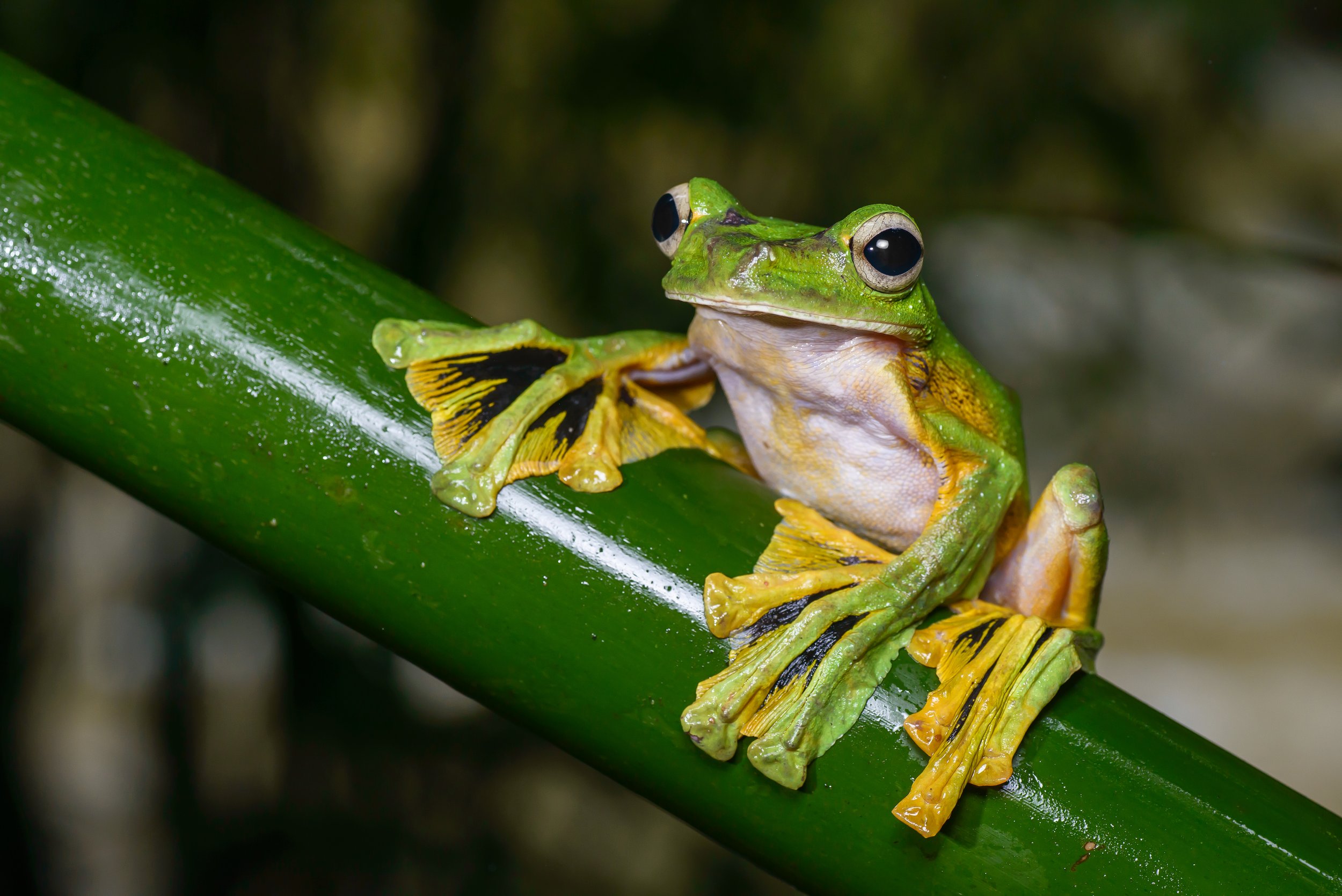
Wallace’s Flying Frog. A dramatic vivid green and bright yellow frog, with large eyes and giant webbed feet, this cute frog lives in the canopy of the rainforest and glides from tree to tree. The best chance to spot one is when, the frog descends to ground level to mate and build it’s nest.
Giant River Frog. This frog is seen commonly in the forest. along forest streams. As it’s name suggests it can grow quite large - the males up to 175mm.
Fish
Stonefish. This venomous fish is found in the sea off the North Borneo coast and can deliver enough venom to kill, through hollow dorsal spines. It lies in wait for its prey and can be difficult to spot as it is extremely well disguised. It will not go out of it’s way to attack you, however if you accidentally step on a stonefish, seek immediate treatment. The venom can cause severe pain, heart failure and even death if left untreated. Use hot water for temporary relief from a stonefish sting, however seeking medical attention and anti-venom is essential.
Lionfish. This an exotic looking fish with feathery fins. It is more active than the Stonefish but it too delivers venom from dorsal spines. They are not especially common but a wise precaution when swimming is to wear something on your feet in case you are unlucky enough to tread on one. Incidents of people being stung are infrequent and rarely fatal. A lionfish sting is, however, likely to have some fairly unpleasant effects, from extreme pain and nausea, to convulsions, dizziness, fever and numbness.
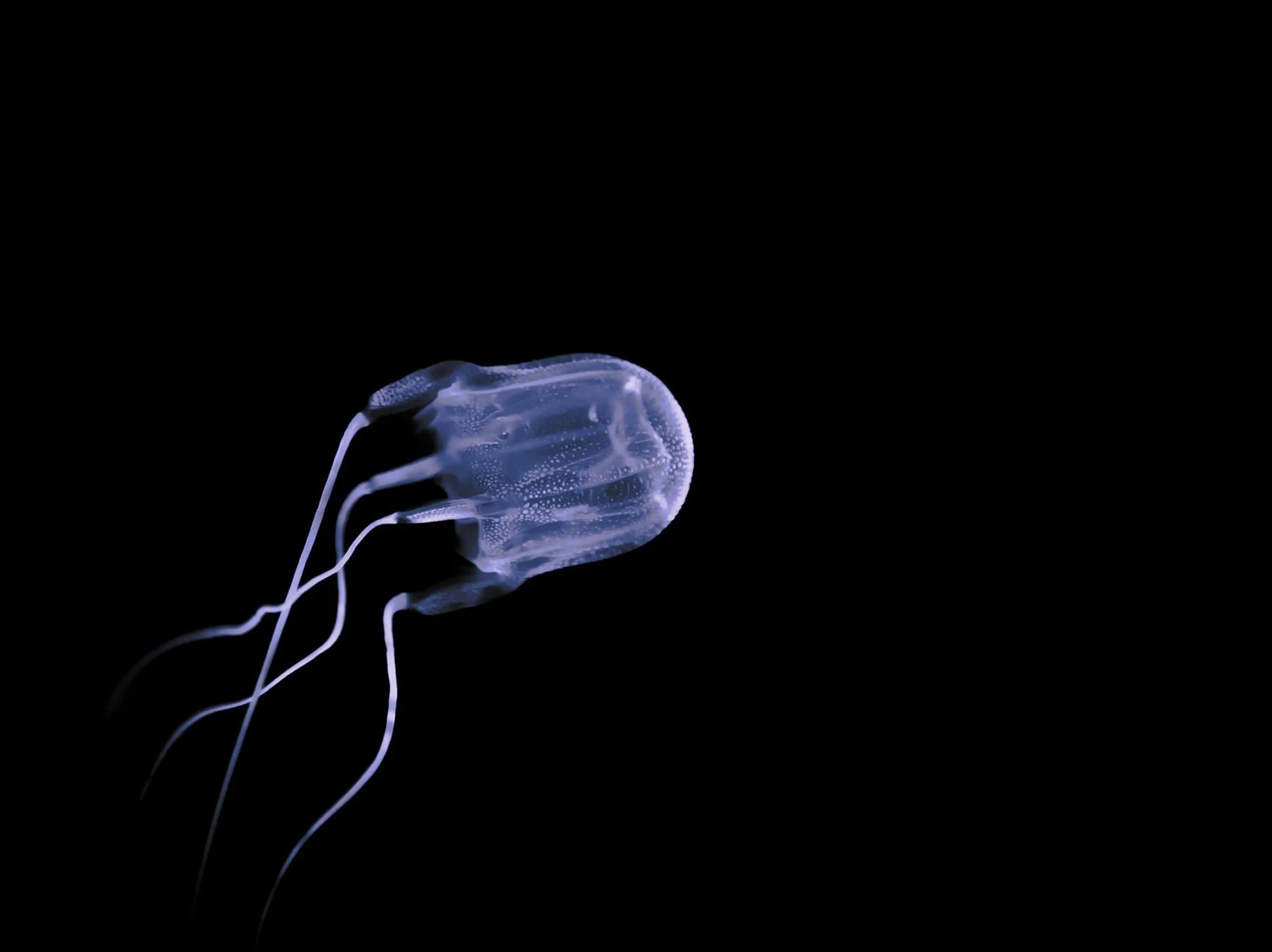
Box Jellyfish. Shaped like a cube, with tentacles which can be three metres in length, this jellyfish is pale blue and transparent in colour, which makes it almost invisible in the water. The stinging cells can be located anywhere along a tentacle. It’s venom contains toxins that disrupts the heart and nervous systems and can cause heart failure within minutes. It is advisable to wear a wetsuit for protection if you are in the water during warmer seasons. Be extra cautious when swimming or snorkelling and avoid water activities during the sunset hours.
What to do if stung by a jellyfish. If stung by a jellyfish, pour vinegar all over the sting site (the tentacles may still be adhered to the casualty) for 30 seconds. Keep the victim still and only remove tentacles after they have been neutralised with vinegar (you will need at least 3 litres). Often cardiac arrest occurs quickly so if the patient is unconscious, check for pulse and respiration as CPR may be needed. Call for medical help immediately and take the casualty to hospital. Remember, the venom effects may take some time to kill so all casualties should be removed to RIPAS or Muara Medical Centre where there are stocks of anti-venom. All of the coastlines have these jellyfish and it is especially dangerous in shallow calm waters.
Birds
Brunei is a particularly good spot for bird watching because its forests are not being felled at anything like the same rate as in the other South East Asian countries. There are hundreds of species of birds known in Brunei. You can get some idea of the breadth of the bird population in this guide.
From September, the number of species is augmented by huge flights of passing migrant populations. Some of these like Yellow Wagtails, Common Sandpipers and Golden Plovers are familiar to Europeans. Others like the Black Winged Stilt, the Chinese Egret and the Oriental Pratincole are peculiar to the Eastern Hemisphere.
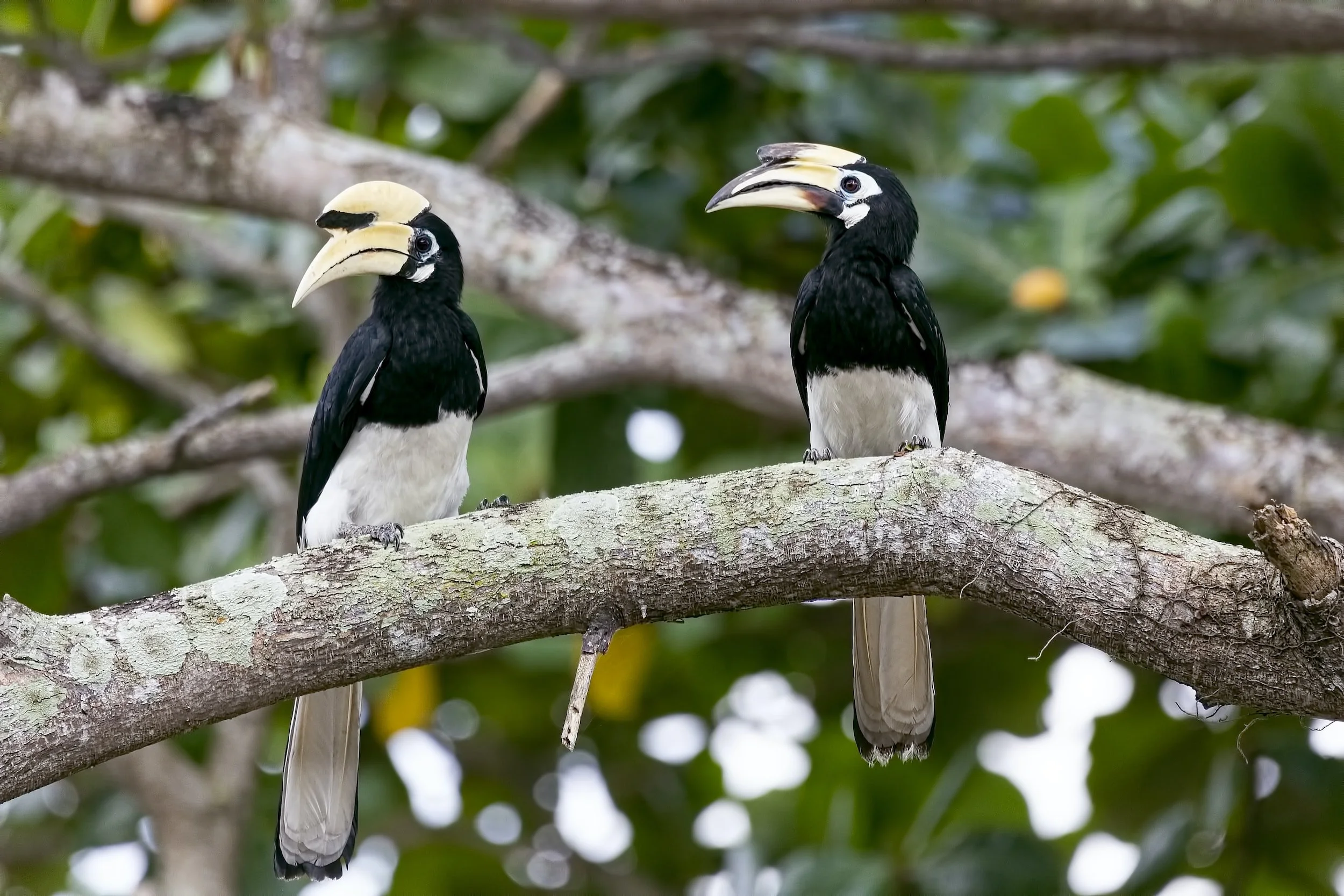
Hornbills. Brunei hosts 8 species of Hornbill The hornbill is one of the largest birds found in the rainforest. With their large wing span, hornbills can create a loud ‘woosh‘ noise. Coupled with their distinctive beak, piercing eyes and spectacular casque (horn), these birds can be quite intimidating.
White Bellied Sea Eagle. This majestic sea eagle is the National bird of Brunei. You will see them soar above Brunei Bay and around the Kampong Ayer.
Collared Kingfisher. Found along the coast of Brunei, this is the most common of many species of kingfisher. It has a distinctive call and is often found fishing in flooded gardens after a heavy rainfall.
Asian Glossy Starling. A beautiful purply black bird with distinctive bright red eyes. Very common in local gardens.
Common Myna. This is a medium sized invasive species in Brunei. It is a particularly noisy bird with many calls, and is a superb mimic of animals, other birds and humans.