
National Philosophy and Religion
National Philosophy
On January 1st, 1984, Brunei became a new nation, celebrating its independence and affirming its identity as a Malay and Islamic state governed by a monarchy. The philosophy of the Malay Islamic Monarchy, known as ‘Melayu Islam Beraja (MIB)’ in Malay, encapsulates Brunei’s culture and beliefs in a nutshell making it uniquely Bruneian.
The philosophy encompasses strong Malay cultural influences, stressing the importance of Islam in daily life and governance, and respect for the monarchy as represented by His Majesty The Sultan. It is a philosophy of tolerance, which allows other cultures to follow individual traditions and to practice other religions.
Head of State
His Majesty Sultan Haji Hassanal Bolkiah Mu’izzaddin Waddaulah Ibni Al-Marhum Sultan Haji Omar ‘Ali Saifuddien Sa’adul Khairi Waddien, Sultan and Yang Di-Pertuan of Brunei Darussalam. His Majesty is the 29th ruler of his line.
Language
Bahasa Melayu (Malay) is the official language, but English is widely spoken. Mandarin, Chinese dialects and native languages of Borneo are also spoken by segments of the population.
Ethnic Groups
Malay: 67%; Chinese: 10%, Other: 23%
Religions
Islam (official): 67%; Buddhism: 13%; Christianity: 10%; Indigenous beliefs and Other: 10%
Things to Note
Alcohol
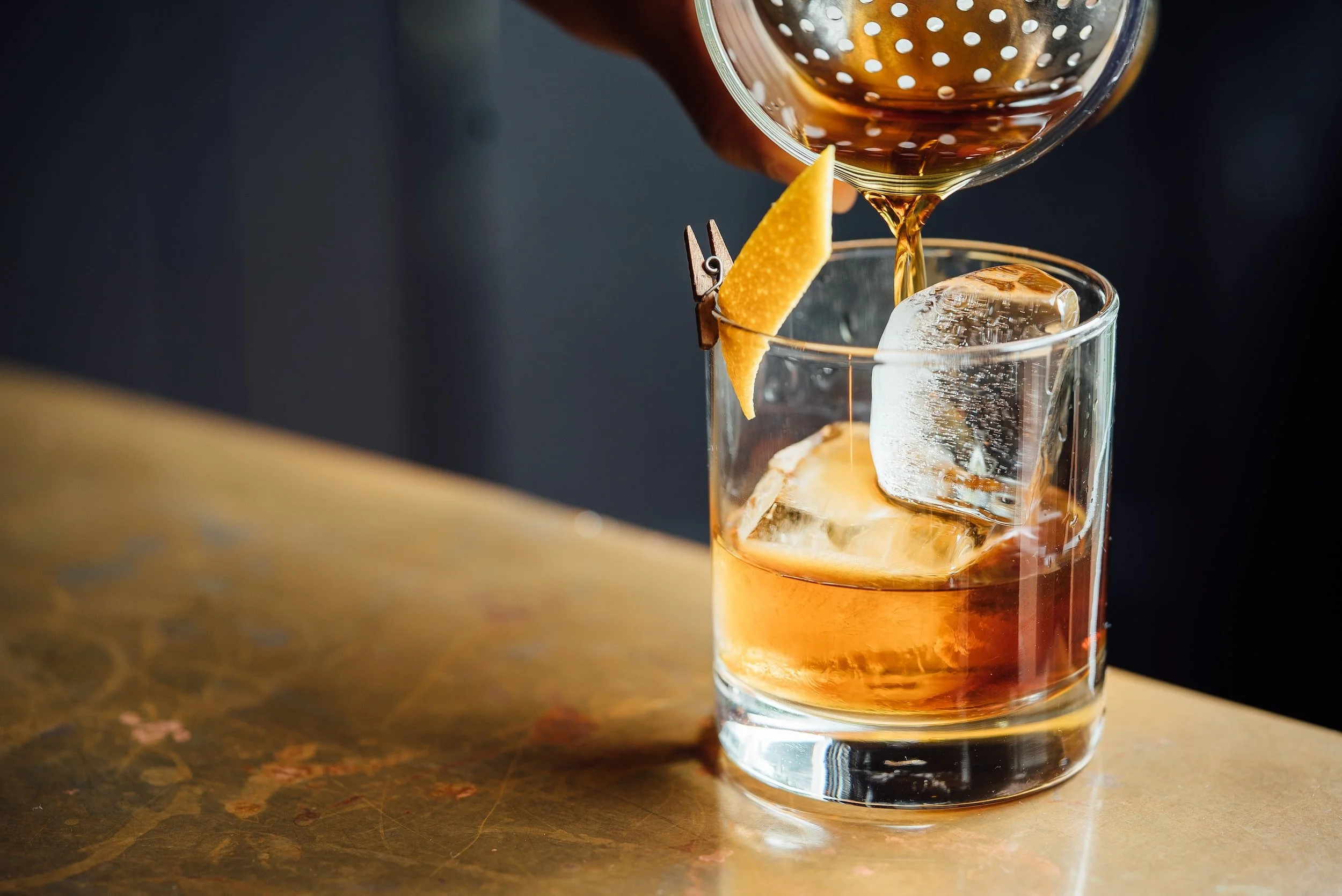
Brunei is an Islamic nation which is dry by choice. Although alcohol is not freely available and consumption of alcohol in public places is forbidden, non-Muslim adults are allowed to import a maximum of 2 litres of wines or spirits and 12 cans of beer. Please note that as an entitled member of BFB you will be able to purchase beer, wine, spirits, and tobacco from the NAAFI at Seria.
The Loan Service Team may only drink alcohol at their private residence, the LSCC or at the relevant British Mess in Seria.
Please note that RBA is a dry airline so no alcohol will be served on board and passengers are not permitted to drink any of their duty-free allowance.
During Ramadhan extra consideration is to be applied when drinking alcohol, there will be no functions in the LSCC as it shares a boundary with residential properties.
Halal Food and Medicine
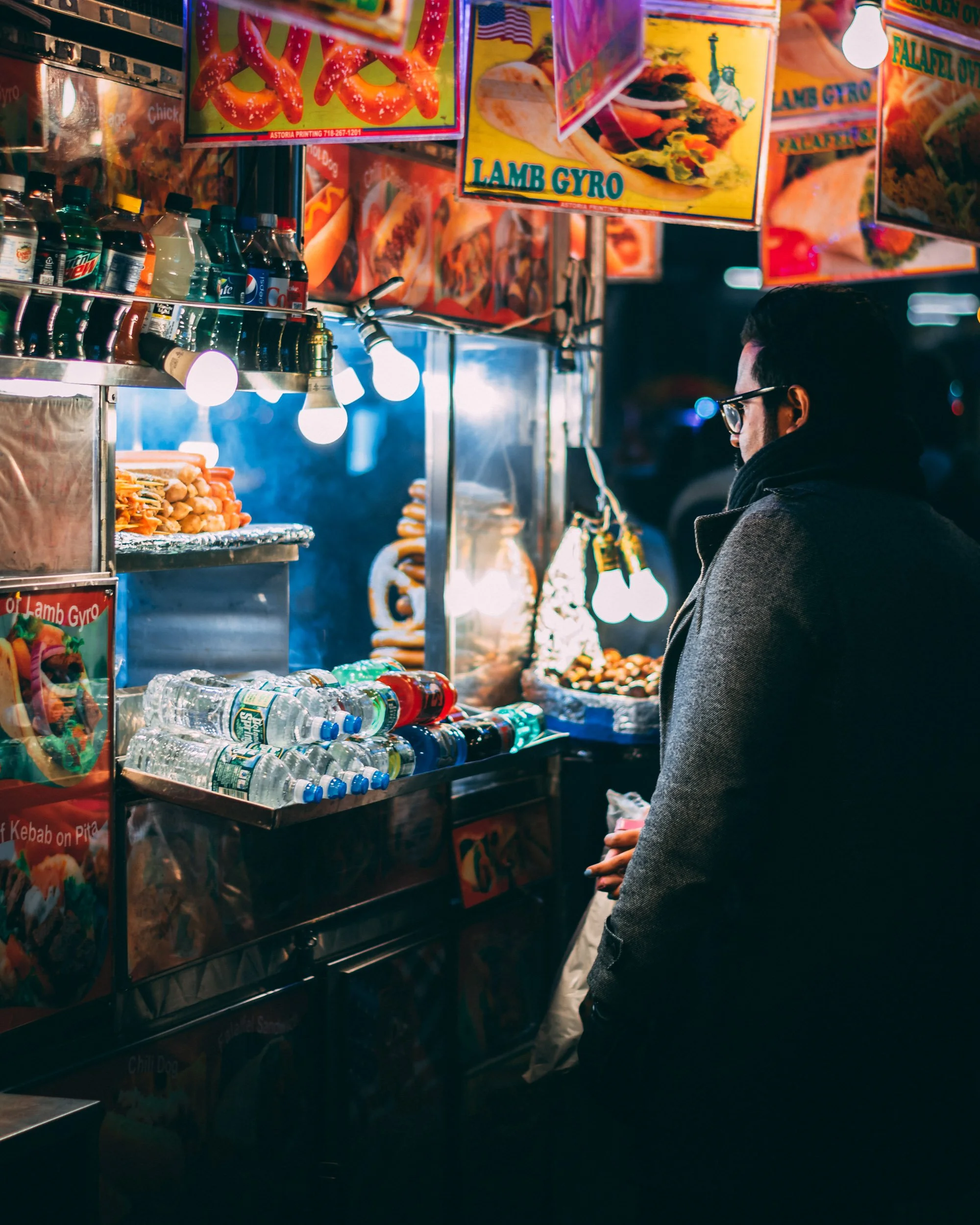
Under the Halal Certificate and Label Order Amendment 2017, it is required for all businesses in Brunei producing, supplying and serving Halal food and beverages to obtain Halal certification, either a Halal Permit (Label) or a Halal Certificate. Failure to comply will result in a fine of less than BND8,000 and/or face two years in jail.
Non-Halal food is available and will generally be in a separate section or room of the supermarket. There are an abundance of western style non-Halal restaurants throughout Brunei.
Ramadan
Ramadhan is the ninth month of the Islamic calendar, observed by Muslims worldwide as a month of fasting, prayer, reflection and community.
During this month of fasting, Muslims do not take food from sunrise to sundown. It would be inconsiderate to eat or drink in their presence during this period.
Generally working hours are 8am - 2pm during this period.
The dates of Ramadhan change every year, you can keep track on multiple websites.
Prayer Times
The call to prayer is heard all over Brunei five times a day. These times move slightly depending on the time of year.
You will find that many organisations break for lunch between 12pm and 2pm to allow their staff to pray, eat and rest.
On Fridays, by law, all businesses in Brunei must close between 12pm and 2pm for Friday prayers. This includes petrol stations, banks and gyms.
Non muslims use this time to go hiking as the trails are very quiet, or travel to the NAAFI.
Visiting a Mosque
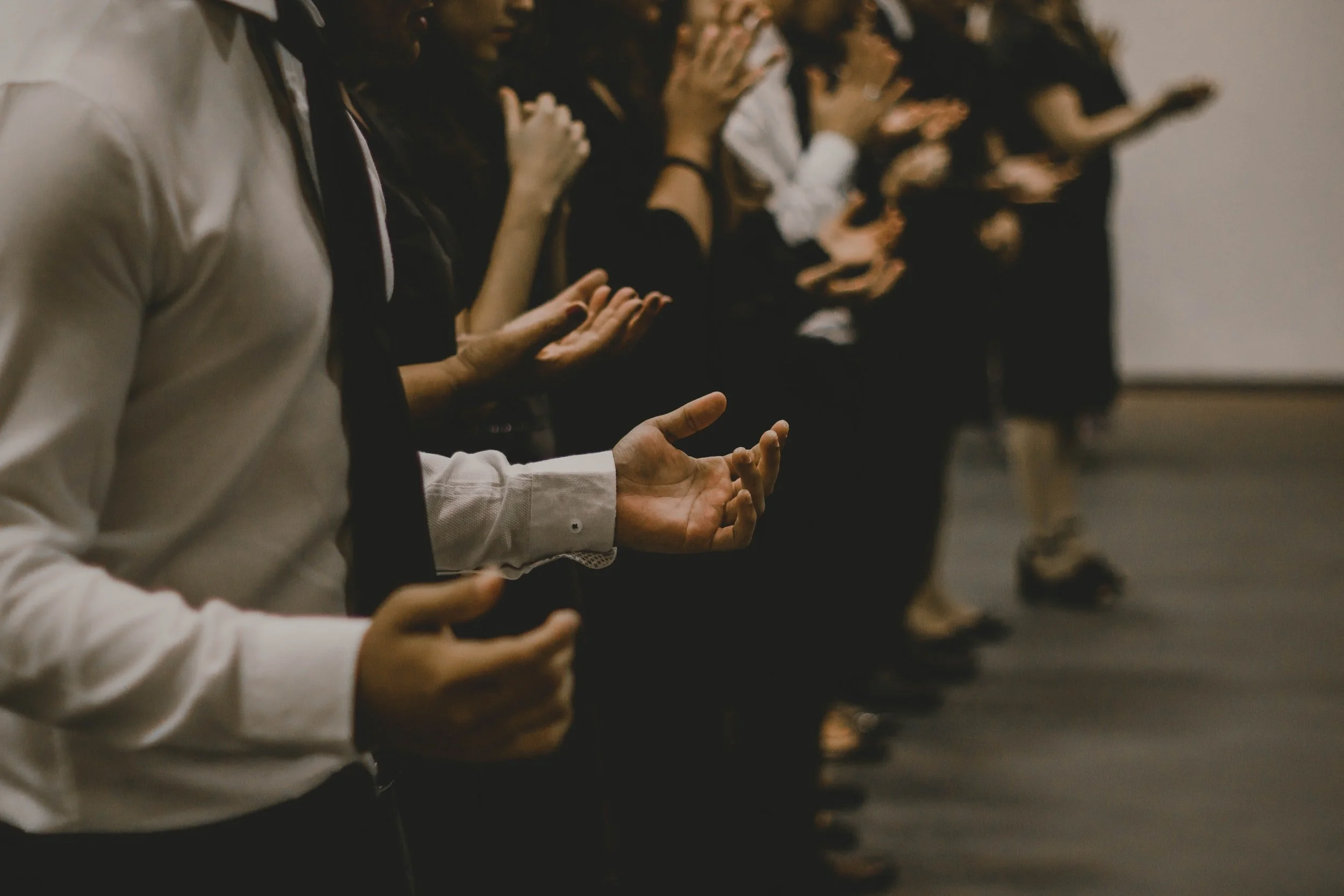
Brunei is known for it's opulent mosques with beautiful Islamic architecture. The most famous mosque is the Omar ‘Ali Saifuddien Mosque in the centre of town, but there are hundreds of smaller, more modest mosques all around the country. Visitors are welcomed and encouraged outside of prayer times
Clothing: Men can wear long or short sleeved tops but sleeveless shirts are not allowed. It is respectful not to wear bright colours or jeans, or clothing with explicit words or images.
Women will need to cover up all skin, your sleeves should be long enough to reach each wrist and your hair should be covered with a headscarf or shawl. Some of the larger mosques in Brunei can provide floor length robes but there is no guarantee one will be available.
Food and Drink: These should be in a bag and can be left in the shelves provided at the doors of the mosque. Water is fine, but avoid drinking in the main prayer room.
Entrances: There are different entrances for men and women at the mosque. Follow the signs at the entrances, if in doubt, don’t hesitate to ask a local.
Footwear: Remember to remove your footwear when you enter. There will be areas where you can leave your shoes.
Silence: Be respectful of where you are - people come to pray, meditate and read the Quran. Switch off your devices or put them on silent. Don’t make any loud noises and speak quietly. Children must be quiet and be well-behaved. They must not be left unattended.
Photography: If taking photos please turn off the flash so as not to distract people praying. You should not pass in front of a person in prayer or touch the Quran.
Friday Prayer: All muslims in Brunei attend Friday prayer to hear the additional sermon. The call to prayer (Azan) is recited in unison by all Imams in all the mosques in Brunei, and is broadcasted on speakers from the mosques and on local radio. You will also hear the prayers and sermon.
Visiting Times: Non-Muslim visitors should check the opening hours of the mosque in advance as there are times it may not be open to the public.